Theacrine: dosage forms and which to choose
Theacrine is rarely sold as a separate product on the shelf next to caffeine. More often it is “hidden” in pre-workout complexes, energy drinks or fat burners. The form in which you get it determines whether you know the exact amount of the substance and what exactly it is combined with. The editorial team examined the main formats and the criteria for choosing.
The raw material: standardized theacrine and extracts
Most theacrine on the market is a standardized substance obtained by the manufacturer's technologies and sold under trademarks, the best known of which is TeaCrine®. It is precisely this form that was used in most published clinical studies, so for it there are at least basic data on tolerability.
In addition, there are products with “kucha tea extract” or other plant extracts in which theacrine is present as one of the components. The content of the active substance in such extracts can vary substantially depending on the raw material and technology, and it is not always stated on the label.
The difference between these two options is fundamental. In the standardized form you know the amount of theacrine in milligrams. In an extract you know only the mass of the extract, from which it is difficult to draw a conclusion about the dose.
For a person who wants to control their reaction to the substance, a standardized ingredient with a stated amount is obviously the better choice. The presence of a registered ingredient trademark on the label usually indicates that the manufacturer buys raw material with known characteristics.
Single-ingredient products: capsules and powder
Theacrine capsules usually contain 50–100 mg of the substance, sometimes with a small amount of caffeine or L-theanine. This is the most convenient format for precise dosing: one capsule is a known amount, easy to record and adjust.
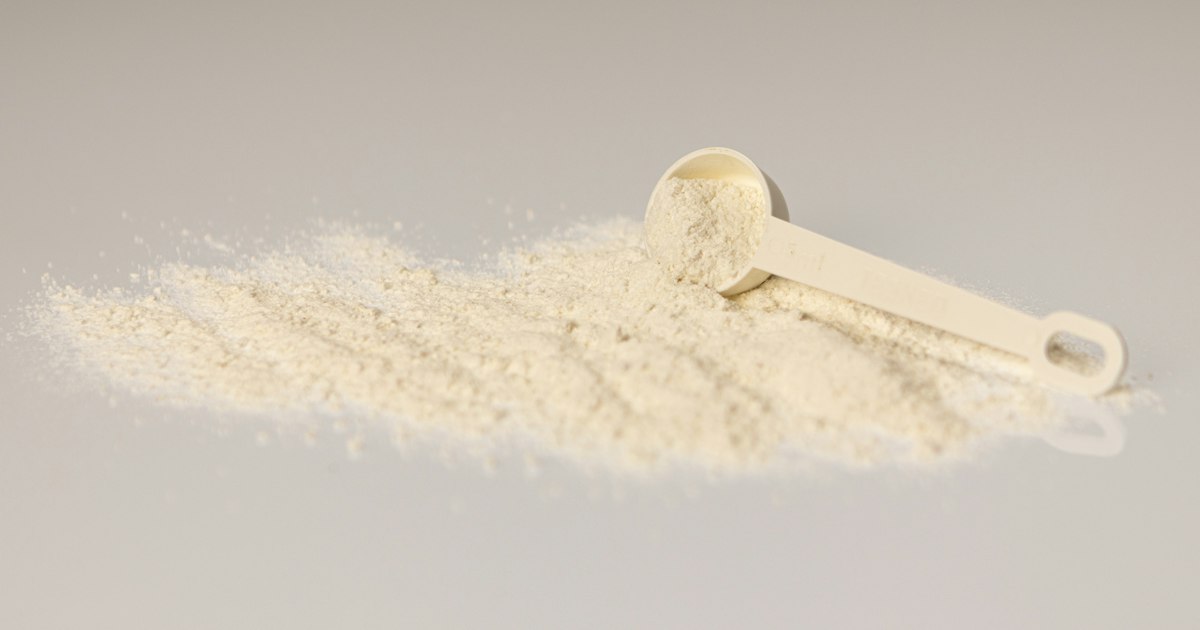
Pure theacrine powder is sold less often and is aimed at experienced users. The required doses are measured in tens of milligrams, and it is impossible to measure them out with a measuring spoon — this requires precise jeweler's scales. An error of several-fold when working with powder is real and dangerous given the stimulating action.
Tablets and chewable forms are encountered as part of “energy” products. They are convenient but often contain additional stimulants and sweeteners.
A single-ingredient product has one more advantage: it makes it possible to assess the reaction specifically to theacrine, without the influence of other components. If side effects appear, their cause is obvious.
| Form | Dosing accuracy | Other stimulants | Who it suits |
|---|---|---|---|
| Single-ingredient capsules | High | Usually none | Those who want to control their reaction |
| Pure powder | Low without precise scales | None | Only for the experienced, with scales |
| Pre-workout complexes | High, if the dose is stated | Caffeine, others | For training, taking caffeine into account |
| Energy drinks | Medium | Caffeine, sugar | Occasionally |
| Fat burners | Often low | Several stimulants | We do not recommend it as a way to get theacrine |

Complex products: pre-workouts, energy drinks, fat burners
Pre-workout complexes are the most common source of theacrine. It is usually combined with caffeine, beta-alanine, citrulline, taurine. In quality products the amount of each component is stated separately; in less transparent ones the components are hidden in a “proprietary matrix.”
Energy drinks with theacrine combine it with caffeine, sugar or sweeteners. The format is convenient, but a person often consumes several cans during the day, and the total amount of stimulants quickly grows.
Fat burners are the riskiest category. Theacrine in them is combined with caffeine, synephrine, yohimbine, green tea extracts and other substances. Each component on its own may be acceptable, but the combination intensifies stimulation, and the evidence base for such blends is practically nonexistent.
Another problem with complex products is the impossibility of separating out the effect. If insomnia or tachycardia appeared after a pre-workout complex, it is unclear which substance is responsible.
How to read the label
First find the very name of the substance: “theacrine,” “1,3,7,9-tetramethyluric acid” or the ingredient trademark. Next to it there should be the amount in milligrams per serving. If theacrine is listed only in the list of ingredients of a “blend” without an amount, the product will not allow you to control the dose.
Next, check the amount of caffeine and other stimulants. Add them to what you already consume during the day: coffee, tea, energy drinks. For caffeine the EFSA recommendation serves as a reference — up to 400 mg per day for healthy adults.
Pay attention to the serving size. Sometimes manufacturers state the content per “2 scoops” or “2 capsules,” while on the packaging they print in large letters the amount for the whole serving. It is easy to accidentally take twice as much as planned.
For athletes undergoing doping control, independent certification (Informed Sport, NSF Certified for Sport, etc.) is critically important. Pre-workout complexes and fat burners are categories with the highest risk of contamination with banned stimulants.
- The exact name of the substance and the amount in mg per serving.
- The amount of caffeine and a list of other stimulants.
- The serving size and the number of servings in the package.
- The batch number, shelf life, certification.
Which form to choose
If you are trying theacrine for the first time and want to understand your reaction, the best option is a single-ingredient product in capsules with a stated amount. It makes it possible to assess the effect and tolerability without the influence of other substances.
If theacrine is needed specifically as part of a pre-workout ritual, choose complexes with a fully disclosed composition and take caffeine into account in your total daily balance. Do not combine such products with coffee or energy drinks on the same day without calculation.
The editorial team does not recommend pure powder without precise scales. Fat burners with several stimulants are also not the best way to get theacrine because of the difficulty of assessing the risks.
Regardless of the form, remember the timing: theacrine acts for a long time, so any product with it is better consumed in the first half of the day.
Editorial conclusions
The dosage form of theacrine determines the main thing — whether you know how much of the substance and which accompanying stimulants you are getting. The most transparent format is single-ingredient capsules with a stated amount of a standardized ingredient.
Pre-workout complexes are acceptable provided the composition is fully disclosed and caffeine is accounted for. Energy drinks and fat burners carry the risk of imperceptible accumulation of stimulants.
Pure powder and “proprietary blends” make it difficult to control the dose, so for most people they are not a rational choice.
We also recommend our materials “How to take Theacrine: dosage, timing, duration,” “Side effects of Theacrine” and “Theacrine: what it is and how it works.”
References
- Taylor L, Mumford P, Roberts M, et al. Safety of TeaCrine®, a non-habituating, naturally-occurring purine alkaloid over eight weeks of continuous use. J Int Soc Sports Nutr. 2016;13:2.
- Zheng XQ, Ye CX, Kato M, Crozier A, Ashihara H. Theacrine (1,3,7,9-tetramethyluric acid) synthesis in leaves of a Chinese tea, kucha (Camellia assamica var. kucha). Phytochemistry. 2002;60(2):129–134.
- He H, Ma D, Crone LB, et al. Assessment of the drug–drug interaction potential between theacrine and caffeine in humans. J Caffeine Res. 2017;7(3):95–102.
- EFSA Panel on Dietetic Products, Nutrition and Allergies (NDA). Scientific opinion on the safety of caffeine. EFSA J. 2015;13(5):4102.
- Guest NS, VanDusseldorp TA, Nelson MT, et al. International society of sports nutrition position stand: caffeine and exercise performance. J Int Soc Sports Nutr. 2021;18(1):1.
Andriy Melnyk
A strength-sports coach and author of programs for beginner and intermediate levels. Writes about training planning.